
Chan Dharma Community

Practicing with the Four Noble Truths:
Dharma Study Course Reflections
The Four Noble Truths was the topic of study and practice in the recent Dharma Study Course, offered by Rebecca Li and the Chan Dharma Community. During this six-month online course, Rebecca shared her Dharma talks on the foundational teachings - that there is suffering, the cause of suffering, the cessation of suffering, and the Noble Eightfold Path which leads to the end of suffering. In the course, participants listened to a new Dharma talk each month and practiced with what resonated with them, integrating the teaching into their daily life. At the end of each month, they joined a Zoom class to share their practice reflections and experiences from that month, learning from one another, with Rebecca answering questions and further clarifying the practice and Dharma.
We have a wonderful opportunity to listen to or re-listen to these talks on the Four Noble Truths as they have been posted on the CDC website, and we encourage you to consider participating in a future Dharma Study Course.
And now we have the privilege of learning about our fellow practitioners’ practice with the Four Noble Truths and their experiences in this course, as they share their insights, takeaways, and reflections with us…
[All photos in this newsletter by Taylor Mitchell]
I feel that I’m more closely connecting with suffering through the continuous learning, practicing, and sharing over the past six months. Since now I can apply the attention on the arising of my reactivities instead of dwelling in my emotions, suffering is not that scary anymore! Suffering is like a wise and gentle teacher allowing me to look deeper into myself. Even after the class is over, I find the teachings and the experiential understandings continue to support me in facing some difficult situations.
—Cindy Toy
One main takeaway was understanding how the practice is important in bringing awareness to how we cause our own suffering, as most of the time we don't even realize how we are perpetuating suffering for ourselves. I also benefited from hearing how other practitioners were working with the teachings in their daily life- it helped deepen my understanding of the Dharma and made me feel that I'm not alone. I really appreciate the community of our Sangha, which was highlighted during the recent Silent Illumination retreat where I had the privilege of sitting with class members and meeting people face-to-face that I had only known through online interactions. It really helped me engage with the retreat on a deeper level, and emphasized the importance of the Sangha as one of the three jewels.
—Brian Pilecki
The more Dharma Study Courses I participate in, the more I learn that you cannot do this practice alone. Everything we do while practicing alone we bring into each other’s presence when we meet, and everything we do when we meet together we take back with us into our individual practice. It’s beautiful and inspiring to see how we benefit each other through the effort we put into our own practice.
—Alejandro Forte
The Dharma course has deepened my practice. To bring back into focus the truth, cause, and cure for suffering is truly a blessing. Many times a day, I see a vexation about to form, or forming, or that has already happened, and let it go. Thank you Rebecca and all the participants, the sangha, for your teaching and practice.
—Crager Boardman
A core idea I came away with was that our vexations often stem from identifying with our thoughts and emotions. This leads to responding with attachment or aversion, and thus generates suffering. I see this time and time again in my practice and daily life. I aim to notice this pattern of identification with thoughts and emotions more frequently, which should hopefully help me see thoughts and emotions for what they are: part of my causes and conditions, which are impermanent.
—Max Tabachnik
Practicing with the Sangha on the Four Noble Truths helped me see how universal, verifiable, and reliable these teachings are. Listening to Dharma talks on my own has been meaningful, but hearing the reflections and questions of fellow students brought the teachings to life in a deeper way.
The talks also helped me see that suffering is not something to fear. Rather, suffering can be a bellwether for practice—an invitation to clearly know what is happening, stay with the experience, and see its true nature.
One might think gathering around suffering would lead to more suffering, but I found the opposite to be true. Sharing and processing our experiences through the Dharma sparked faith: that we are on the same raft, supporting one another toward the other shore of liberation.
Seeing the vulnerability, courage, and sincerity of fellow practitioners month after month inspired me to keep practicing. It felt as though we were all carrying lanterns, helping to light one another’s way back to the path.
—Annie Chiu
I have been reflecting on our recent Dharma study course regarding the Four Noble Truths. While the concepts of the truth of suffering, its cause, its cessation and the path are the foundation, I find that the path serves as a truly definitive guide to happiness.
I believe achieving happiness is often simpler than we realize. In my view, the primary challenge is the act of searching itself, which can frequently become a counterproductive habit. The Four Noble Truths are a roadmap to true happiness.
—Jerry Rudoshko
One important takeaway for me from this course was how the emotional afflictions don’t go away just because we are aware of them — that even when we drop wrong view we are still compelled to react to the present moment with craving and aversion. “We forget emptiness.” It also helped me to categorize pain in terms of 1. being separated from those we love 2. having to spend time with difficult people and 3. not getting what we want, and that these in themselves don’t cause suffering — our habitual reactions to them do. Looking at suffering in this way helps me to remember impermanence more often.
—Leslie B.
I have always taken a simple approach to my Dharma and meditation practice. While I have not historically been interested in examining my inner motivations and habits, the study of the Four Noble Truths has given me a greater appreciation for how to address the suffering that has persisted in my life.
The process of maintaining a regular practice—listening to the Dharma talks and fishbowl talks and completing the assignments—has provided me with a new perspective. My hope is to maintain this practice and lessen the suffering I have caused my family.
—Alvin Toy
I gain tremendous value from participating in the monthly Dharma classes. For me, they're a lovely example of how the practice is a living thing - that what didn't make sense yesterday might click into place today, or tomorrow, or the next day. I'm often awestruck and grateful when I hear the experiences and hard work of our Sangha. It's motivating and uplifting to be reminded that there are earnest, kind, thoughtful, diligent humans out there co-creating something beautiful. The practice is everywhere, and everything is the practice. The Dharma classes allow me to see this over and over again.
—Heather Swope
All phenomena share the same nature of arising and ceasing.
Suffering comes from clinging and resisting them.
When the mind is still and aware, all experiences are equal, and equanimity is present.
—Jenny T.
Community is the foundation of sustainable meditation practice. It transforms meditation from a lonely chore to a shared, grounding practice. It helps us understand and appreciate common humanity through the group discussions. The Dharma Study Course is another means for human connection that I find invaluable.
—Michael See
I wrote a bunch of different short write-ups for the newsletter and tore them up and started over and over as if there is a “perfect” write-up in the universe and all the “right” words would fall into place. Then I realized I was creating my suffering. There are no “perfect” write-ups or “right” words. Our time in class has helped me see a little more clearly on how we create our suffering, and how recognizing it is one of the first Truths in freeing ourselves! There is a real beauty in sharing our practice and I am grateful to be a part of our Sangha!
—Ruth Marie

Chan Dharma Community
Practice Opportunities
Meditation Q&A Program
Part 1: September 16
Part 2: October 21
This program is designed to support practitioners in developing or deepening a meditation practice over one month, culminating in a question-and-answer session with Rebecca. In the first meeting on September 16, we will focus on orienting participants to the program, explore how to establish or deepen a sitting practice, and review the practice vow and optional journaling components. After a month of practice, on October 21, participants will gather for an open question-and-answer session.
One-Day Online Retreat
September 19 (and other dates to be set throughout the year)
This is an at-home online retreat led by Rebecca Li. It is typically a full-day silent retreat from 9:45 am to 6 pm ET (6:45 am to 3 pm PT). The retreat is conducted over Zoom, and participants join by video during sitting meditation periods and Dharma talks.
Sangha Sharing
September 30 (and other dates to be set throughout the year)
Sangha Sharing is a way for practitioners to share and learn about personal projects, hobbies, passions, family, pets, or anything else that is very meaningful. It’s a chance to connect with others in the sangha on a deeper level, while practicing gratitude and generosity by reflecting on what is important to us, and listening to what is important to others.
Please contact us if you would like more information about the programs or to be added to the contact list for the Sangha Friends Gathering.
Weekly Sitting Meditation
Monday Mornings, 7:00 to 7:25 AM ET
Wednesday Mornings, 7:00 to 7:25 AM ET
Thursday Evenings, 9:00 to 9:25 PM ET
All sessions include light neck stretches, recitation of the Four Great Vows, and a 20-minute sitting period.
*The weekly meditation sessions are intended for Chan Dharma Community members who have practiced with Rebecca Li. All levels of experience are welcome.
Online Sangha Friends Gathering
4th Wednesday of every month
Join us for an unstructured gathering where we can check in with one another, talk about whatever has come up in the past month, support one another, and stay in touch as a sangha. Each gathering will begin with 10 minutes of meditation, and then everyone will check in and share, and discuss what comes up.
Stay in Touch
Chan Dharma Community Links
Dr. Rebecca Li
Talks, Retreats, and Other Opportunities
2026 Workshops & Talks
August 6 (Thu) 1 - 2 pm ET (In person and online)
Dharma Talk, Meditation, and Q&A, New York Insight Meditation Center, New York, NY
September 13 (Sun) 9 am to noon ET (In person)
Meditation Workshop and Dharma Talk, DDMBA-NJ Chapter, Edison, NJ
September 23 (Wed) 7 - 9 pm ET (Online)
Dharma Talk: Silent Illumination and Unlearning Hate, Ocean Mind Sangha
November 8, 2026 (Sun) 9 am to noon ET (In person)
Meditation Workshop and Dharma Talk, DDMBA-NJ Chapter, Edison, NJ
2026 Retreats
July 4-11, 2026 (Sat-Sun, In person)
Seven-Day Silent Illumination Retreat, Western Chan Fellowship, Shawbottom Farm, Peak District Retreat, England, United Kingdom
August 21-23, 2026 (Fri-Sun, In person)
Beginner’s Mind Retreat, Dharma Drum Retreat Center (DDRC), Pine Bush, NY
October 2-7, 2026 (Fri- Wed, In person)
Western Zen Retreat, Dharma Drum Retreat Center (DDRC), Pine Bush, NY
December 4-7, 2026 (Fri- Wed, In person)
Four-day Chan Retreat, Dharma Drum Mountain San Francisco Bay Area Center, Fremont, CA
For more info about Rebecca’s teachings, please click on the button below
Books by Rebecca Li

Illumination: A Guide to
the Buddhist Method of
No-Method
Published by Shambhala Publications on October 31, 2023.
Available now at: Shambhala, Penguin Random House, Amazon, Barnes & Noble, and other booksellers

Allow Joy into Our Hearts: Chan Practice in Uncertain Times
Published by Winterhead
Publishing, 2021
Available now on: Indiebound, Kobo, Barnes & Noble and Amazon
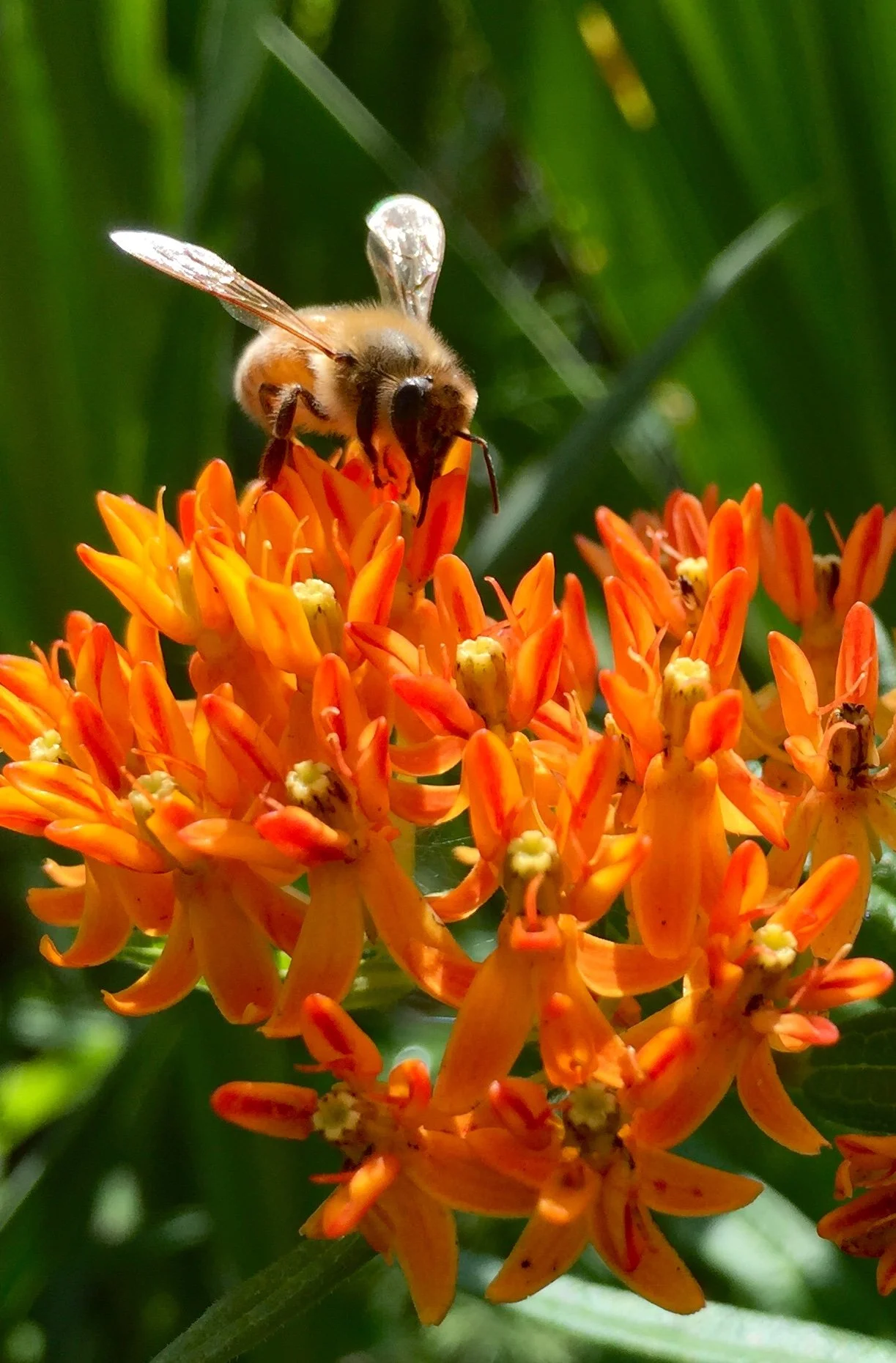
“The world is blessing us with many opportunities to practice. We have much to be grateful for indeed.”
— Rebecca Li
Copyright (C) 2026 Chan Dharma Community. All rights reserved.
You are receiving this email because you opted in via our website.
Our mailing address is:
Chan Dharma Community PO Box 6202 Bridgewater, NJ 08807-0202 USA